
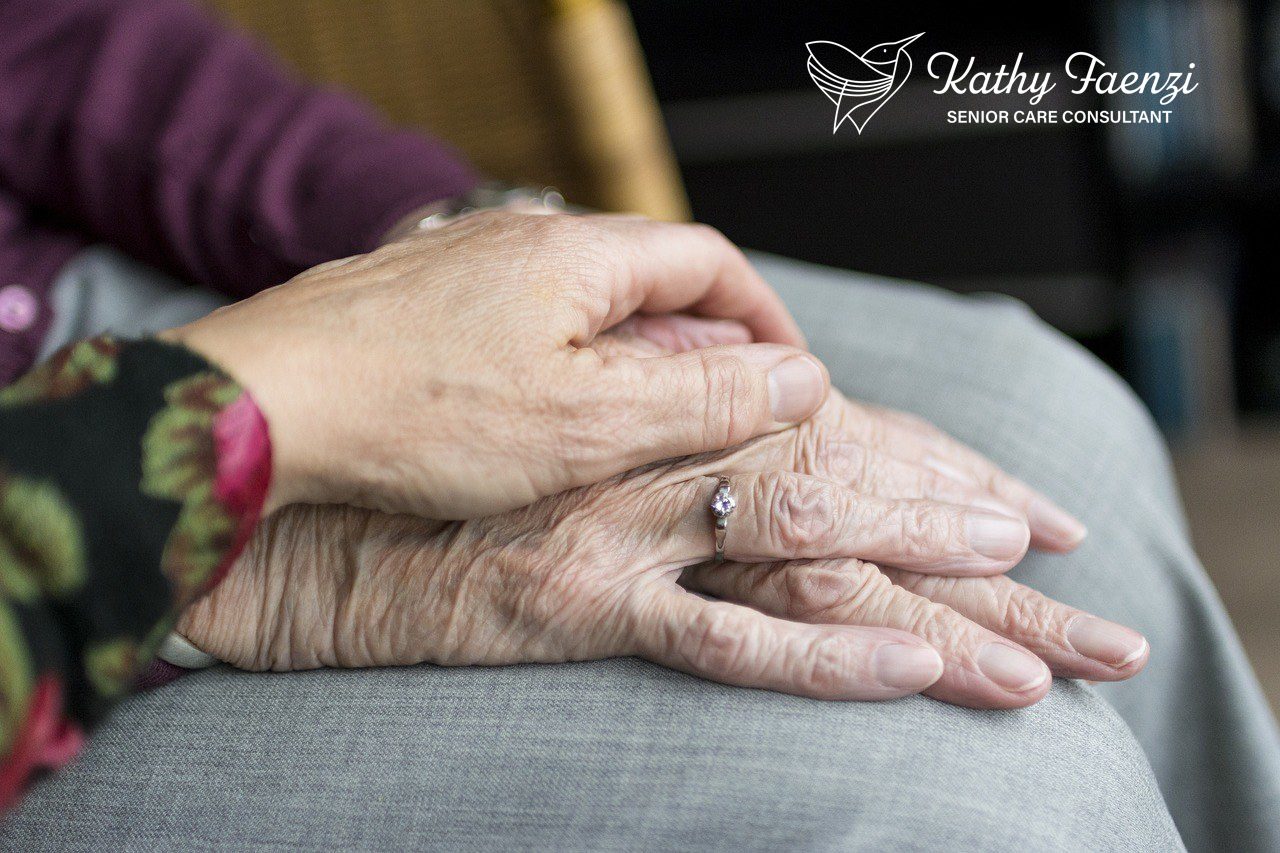
Loss is a natural part of life, yet it is one of the experiences for which we are often least prepared. As we age, loss can take many forms. We may lose friends, spouses, siblings, neighbors, physical abilities, independence, or familiar routines. For those living with dementia and their families, loss often occurs long before death itself.
Book a date and time with me for your FREE 15 minute Get Acquainted Call.
Dementia is frequently described as a series of transitions. Families may grieve the gradual changes in memory, communication, personality, and independence that come with cognitive decline. Loved ones sometimes find themselves mourning the relationship they once knew while still cherishing the person who remains. At the same time, individuals living with dementia may experience their own feelings of frustration, confusion, isolation, and loss.
Grief is not limited to family caregivers. Older adults often experience profound sadness when friends, neighbors, or spouses pass away. The loss of a longtime companion can leave a void that affects emotional well-being, daily routines, and even physical health. According to Kathy Faenzi’s book, An Achievable Balance, grief can appear as sadness, anxiety, loneliness, confusion, changes in appetite, sleep disturbances, or social withdrawal. These reactions are normal and deserve compassion rather than dismissal.
For those living with dementia, grief may not always be expressed in expected ways. A person may repeatedly ask about someone who has died, express worry they cannot explain, or experience feelings of loss without understanding their source. During these moments, correcting facts is often less important than offering reassurance, comfort, and connection. Simple acts of kindness such as listening, validating feelings, sharing memories, playing favorite music, or spending quiet time together can provide tremendous comfort.
While conversations about decline, dying, and end-of-life wishes can be difficult, they are also opportunities to honor personal values and preferences. Planning ahead, discussing goals of care, and understanding available resources can reduce anxiety for everyone involved. Services such as geriatric care management, palliative care, caregiver support, and hospice can help families navigate the journey with greater confidence and peace of mind.
At Kathy Faenzi’s practice, we believe that every stage of aging deserves dignity, purpose, and compassionate support. Whether a family is adjusting to a dementia diagnosis, coping with caregiving responsibilities, navigating grief, or planning for future care needs, no one should feel they have to face these challenges alone.
In An Achievable Balance, Kathy Faenzi reminds us that while loss is an inevitable part of life, meaningful connection remains possible throughout the journey. Even when words become difficult, relationships endure through presence, empathy, touch, music, shared memories, and love. By focusing on what remains rather than only what has been lost, families can create moments of comfort, purpose, and peace that continue to matter deeply.
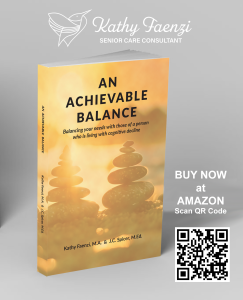
To learn more about dementia care, caregiving, aging well, and life transitions, visit KathyFaenzi.com and explore An Achievable Balance: Balancing Your Needs with Those of a Person Living with Mild Cognitive Impairment or Dementia by Kathy Faenzi and J.C. Spicer.
References:
- An Achievable Balance Kathy Faenzi, M.A. and J.C. Spicer, M.Ed.
- World Health Organization (WHO), Dementia Resources, as referenced in An Achievable Balance.
- Alzheimer’s Association, Dementia and Caregiving Resources, as referenced in An Achievable Balance.
- Medicare Hospice and Palliative Care Resources, as referenced in An Achievable Balance.
- Centers for Disease Control and Prevention (CDC), Social Determinants of Health and Dementia Resources, as referenced in An Achievable Balance.

Kathy C. Faenzi MA is a Clinical Gerontologist and Senior Care Consultant based in Northern, CA.

JC Spicer, M.Ed. is a Freelance Social Science Writer and Developmental Editor based in the U.K.
This article is intended for educational purposes and should not be considered legal or medical advice. Families should consult appropriate healthcare, legal and financial professionals regarding specific circumstances.